

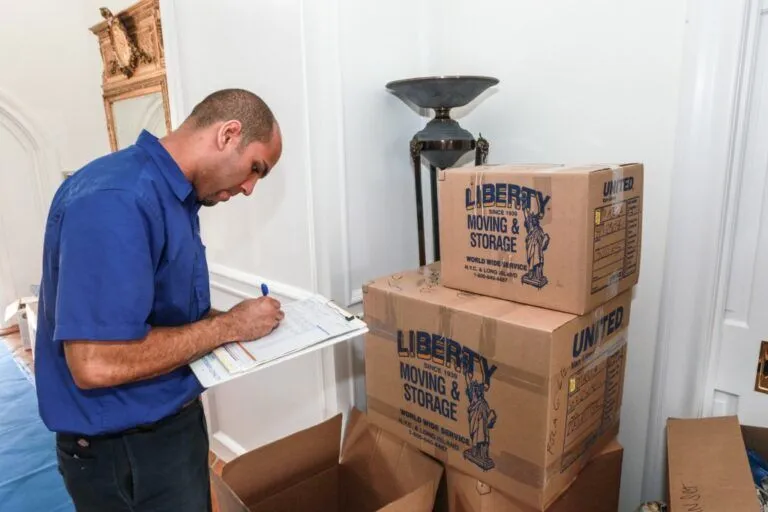
How Reputation and Reviews Shape Your Choice
The reputation of a moving company is akin to the bedrock of its operational ethos. In an age where digital footprints are profoundly influential, potential customers must leverage online reviews, testimonials, and ratings. Websites such as Yelp, Google Reviews, and specialized moving platforms provide invaluable insights, helping you gauge a company’s credibility based on past customer experiences. Look beyond the star ratings; analyze specific feedback regarding punctuality, professionalism, communication, and how they handle difficulties. A moving company with a consistent track record of excellence likely emphasizes customer satisfaction, a crucial element in the relocation process. Moreover, don’t hesitate to ask for references directly from the company itself. Engaging with previous clients can offer a firsthand perspective on what to expect, ensuring your choice aligns with your unique moving needs. Ultimately, the right reputation can save you from potential headaches that arise from subpar services.
The Impact of Local Expertise on Your Move
The best moving company in Suffolk County can significantly enhance your moving experience. These companies often possess first-hand knowledge of local traffic patterns, the best routes, and the regulatory nuances of municipal regulations that must be adhered to when moving items. Such expertise can prevent delays and complications, ensuring your moving day goes as smoothly as possible. Furthermore, local movers are attuned to the specific needs of residents in the area, from understanding the challenges posed by particular neighborhoods to knowing the ramification of seasonal weather changes that may affect your move. Engaging a locally-established moving company often means you are collaborating with a workforce invested in the community’s well-being and reputation, reflecting a commitment to providing quality service. Their ties to the locality often translate into better-refined logistics and operational efficiency, setting you up for a successful transition to your new home.
Savoring the Search: What to Look for in a Suffolk County Moving Company
Must-Have Services: From Packing to Unpacking
The scope of services offered by a moving company can have a profound impact on your moving experience. Ideally, you should seek a company that provides comprehensive solutions tailored to meet your specific needs. The best moving companies in Suffolk County offer a diverse range of services, including packing, loading, transportation, unloading, and unpacking. Packing services can be especially invaluable if you’re pressed for time or are uncertain about how to best secure fragile items. Professional movers understand the nuances of packing, from choosing the right materials to utilizing techniques that minimize damage during transit. Unpacking services, often overlooked, can also be a considerable boon, allowing you to settle into your new space comfortably and efficiently. Investing in these services can greatly alleviate the stress associated with moving, making the process much more organized and seamless. When comparing companies, inquire about the flexibility and customization of their service packages; an ideal company should be able to accommodate your unique requirements.
Assessing the Fleet: The Importance of Equipment and Vehicles
The caliber of a moving service’s equipment and fleet can dramatically influence the efficacy and safety of your relocation. Ensure that the moving company you consider has a well-maintained fleet of vehicles tailored to handle the scale and type of your move. Modern moving trucks should be equipped with features such as air-ride suspension for a smoother transit, GPS tracking for real-time updates, and ample cargo space that allows for the secure transport of your belongings. Furthermore, look for moving companies that employ state-of-the-art packing materials, including high-quality boxes, padding, and protective wrapping for delicate items. The condition and capability of a moving company’s equipment not only reflect its operational standards but also its commitment to safeguarding your possessions. Assessing their fleet during your initial consultation can provide significant peace of mind, making you feel more confident in your choice of company.
Insurance and Liability: Protecting Your Belongings
Understanding a moving company’s insurance and liability coverage is an essential step in your decision-making process. Any reputable moving company should offer some form of insurance to protect against damage or loss during transportation. There are typically two primary types of coverage: Full Value Protection and Released Value Protection. Full Value Protection ensures that the mover is liable for the replacement value of any lost or damaged items. It is essential to ask about the provisions of this coverage, including deductibles and exceptions, so that you can make informed decisions about what level of insurance is best for your belongings. Conversely, Released Value Protection provides minimal coverage at no additional cost, only covering a set amount per item. While this option might seem economical, it may not cover the true value of your possessions. Therefore, clarifying the details of a company’s insurance policies before committing is critical to ensuring that you do not face unexpected financial repercussions down the line.
Insider Tips for Planning Your Ideal Move
Creating a Moving Timeline That Works for You
Establishing a detailed timeline is integral to a successful move, especially in a region as diverse as Suffolk County, where logistics can be affected by a variety of factors. Start by determining your moving date and work backward to create a do-list of tasks that need to be accomplished each week leading up to the move. This could include scheduling the moving company, arranging for utilities to be disconnected at your current home and activated in your new one, collecting packing materials, and notifying important institutions (banks, healthcare providers, etc.) of your address change. Break down major tasks, such as decluttering, packing, and transferring insurance, into manageable segments that can be tackled daily or weekly to alleviate stress. The visual element of a checklist can help you track progress and motivate you to stay on schedule. By approaching your move with a structured timeline, you are less likely to overlook essential details, and this organization will lend you a sense of control over the entire process.
Decluttering: The Art of Letting Go Before You Pack
The act of decluttering as a prelude to your move is not just practical; it’s almost cathartic. Before diving into packing, take the opportunity to sift through your belongings. Consider the last time you used specific items and question their value in your new home. In Suffolk County’s context, where space can be at a premium, letting go of unnecessary items can streamline your move, save on packing and moving costs, and ultimately make your new home feel more organized and welcoming. Adopt the “one-year rule,” which suggests that if an item has not been used in the past year, it may be time to part ways. Organize items into categories—keep, donate, recycle, or trash—and consider hosting a garage sale for anything of potential value. Not only will this approach facilitate an easier packing experience, but it also provides a sense of renewal, allowing you to start afresh in your new space by surrounding yourself only with items that serve a purpose or bring you joy.
Mastering the Art of Communication with Your Movers
Effective communication with your designated moving company can make all the difference in ensuring a successful relocation. At the outset, be transparent about your expectations, concerns, and any particulars that may affect the move, such as fragile items or special delivery instructions. Establish a primary point of contact within the company and ensure that you have their contact details readily available. Always feel empowered to ask questions regarding the moving process, from the timeline to how they manage disputes or delays. Additionally, provide them with your inventory list and any information pertinent to your current and new homes that might affect logistics (e.g., narrow hallways, stairs, or elevator access). Interactive communication creates a partnership between you and the moving company, fostering cooperation and understanding on both ends. The smoother the line of communication, the more likely you are to navigate potential challenges seamlessly.
Experience the Difference: Customer Stories and Testimonials
Real Moves: Success Stories from Suffolk County Residents
Customer testimonials can illuminate the quality of a moving company beyond mere advertising and promotional materials. Hearing about genuine experiences brings a sense of assurance and can play a pivotal role in your decision-making process. Numerous Suffolk County residents share their success stories that speak to the effectiveness of local moving companies. Some recount seamless experiences where movers handled everything from packing up families’ cherished heirlooms to setting up children’s playrooms in their new homes, transforming relocating into a joyful rather than stressful endeavor. Others describe how their movers mitigated last-minute obstacles, such as unexpected weather events or last-minute adjustments that resulted in smooth transitions. By engaging with these real-life accounts, prospective movers can gain valuable insights into what to expect, how to prepare, and which companies have consistently proven their worth in delivering exceptional services.
Common Challenges and How Professionals Overcome Them
Moving invariably presents challenges, from logistical hurdles to emotional strains. However, it’s the professional movers’ ability to anticipate and mitigate these obstacles that set them apart from the average DIY operation. Common issues include traffic delays, issues with access to the homes, and miscommunication about pick-up and delivery times. Seasoned-moving companies in Suffolk County equip their teams with the problem-solving skills and experience necessary to address these challenges efficiently. They anticipate potential delays, plan contingencies, and communicate adjustments promptly to all involved parties. Furthermore, their familiarity with local conditions allows them to navigate obstacles effectively, ensuring your possessions arrive safely and on time. Understanding the mechanisms behind these solutions helps build trust in your moving company, creating a sense of security as you embark on your next journey.
The Emotional Journey: What Moving Means to You
Moving is not merely a physical relocation but an emotional journey laden with nostalgia, excitement, and sometimes uncertainty. For many, it represents a transition—a shift from one phase of life to another filled with new possibilities and experiences. While the potential for a new beginning excites, it often mingles with feelings of sadness associated with leaving behind familiar spaces filled with memories. It’s crucially important to acknowledge this emotional component as part of the moving process. As you curate your belongings during packing, reflect on the memories each item holds; while letting go can be heart-wrenching, it can also be liberating. Consider this transition as an opportunity for reinvention—a chance to create a space that encapsulates who you are today. Embracing your emotional journey will allow you to view the experience through a lens of opportunity, focusing on building a bright future in your new surroundings.
FAQ
Question: How can I ensure that my moving company is trustworthy? – Research the company’s reputation by reading reviews on platforms such as Yelp and Google. Additionally, asking for references from previous customers can provide firsthand insights into their reliability.
Question: What should I include in my moving budget? – Your moving budget should account for hiring the moving company, packing supplies, potential insurance costs, and any extra fees that may arise, such as fuel or delivery fees. Make sure to track unexpected expenses to avoid overspending.
Question: Are there any items that moving companies typically won’t transport? – Many moving companies refrain from transporting hazardous materials, such as flammable liquids or chemicals, as well as items like plants, perishable food, and important documents. Check with your chosen mover for their specific restrictions.
Question: What is the best time of year to move to minimize costs? – Generally, the off-peak seasons, such as winter and fall, tend to yield lower rates compared to the busy summer months when many families relocate. Planning your move during weekdays instead of weekends can also result in cost savings.
Question: How far in advance should I book my moving company? – It is advisable to book your moving company at least 4-6 weeks in advance, particularly during peak moving seasons. Early booking provides more choices regarding services and availability.
Question: Can I pack my belongings myself, or should I use professional movers for packing? – You can choose to pack your belongings yourself to save costs, but using professional movers can ensure that items are packed securely and appropriately, minimizing the risk of damage during transit.
Question: What is Full Value Protection, and should I opt for it? – Full Value Protection is an insurance option that holds the moving company responsible for the replacement value of items that are lost or damaged. Opting for this coverage is generally advisable as it offers greater security for your belongings.
Question: How can I manage and communicate with my moving team effectively? – Begin by establishing a main point of contact within the moving company and keep an open line of communication. Be clear about your expectations, inform them of any special considerations, and provide them with a detailed inventory list for a smoother collaboration.
Useful Resources
- Moving Scam – Comprehensive information to help avoid moving scams and find reputable movers.
- American Moving & Storage Association – Educational resources and professional guidelines for finding reliable moving services.
- National Moving Directory – Directory of moving companies with resources for consumers.
- Yelp – User-generated reviews on businesses, including moving companies, to gauge reputation.
- Google Business – Platform to find and review local businesses, including moving services.
- Consumer Reports – Reviews and comparisons of various services, including moving companies, based on consumer feedback.
- Better Business Bureau – Resource for checking business reliability and consumer complaints about moving companies.
- Houzz – Information and community discussions about home improvement, including tips for moving and relocation.