

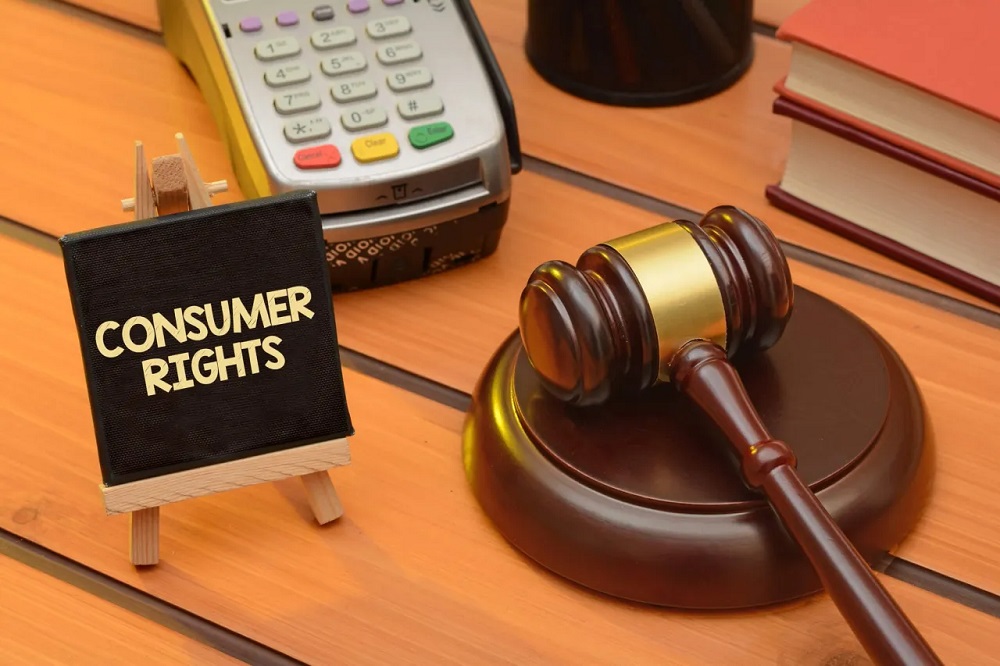
Every single day, millions of Americans engage in financial transactions, ranging from buying groceries and signing phone contracts to securing mortgages and subscribing to digital services. In all these transactions, consumers rely on the expectation that products are safe, advertising is honest, and financial terms are fair. Historically, commerce operated under the legal doctrine of caveat emptor, a Latin phrase meaning let the buyer beware. Under that ancient framework, the burden of discovering defects or misrepresentations rested almost entirely on the buyer.
Modern commerce has evolved far beyond those early transactional models. Today, a robust network of federal and state consumer protection laws exists to safeguard buyers from deceptive marketing, predatory lending, dangerous merchandise, and unauthorized billing. Understanding consumer protection laws and knowing how to assert your rights ensures that you can navigate the marketplace with confidence and hold unethical businesses accountable when violations occur.
The Core Foundations of Consumer Protection Legislation
Consumer protection in the United States relies on a dual system of federal and state laws. At the federal level, major regulatory agencies establish baseline rules that apply across state lines, while state legislatures and state attorneys general enforce additional protections tailored to local jurisdictions.
-
The Federal Trade Commission Act: Enacted to promote fair competition, Section 5 of the Federal Trade Commission Act prohibits unfair or deceptive acts or practices in or affecting commerce. The Federal Trade Commission serves as the primary watchdog over commercial advertising, digital marketing, endorsement disclosures, and subscription practices. An act or practice is considered deceptive if it involves a material misrepresentation or omission that is likely to mislead a reasonable consumer.
-
The Consumer Financial Protection Bureau: Created under the landmark Dodd-Frank Wall Street Reform and Consumer Protection Act, the Consumer Financial Protection Bureau oversees financial products and services. The agency regulates mortgage lenders, credit card issuers, payday lenders, student loan servicers, and credit reporting agencies. Beyond unfair and deceptive practices, the agency enforces strict standards against abusive practices that take unreasonable advantage of a consumer lack of understanding.
-
State Consumer Protection Statutes: Every state maintains its own consumer protection law, frequently referred to as a Little FTC Act. These statutes allow state attorneys general and local prosecutors to investigate fraudulent business practices within their borders. In many states, these laws grant individual consumers a private right of action, allowing them to sue businesses directly for deceptive practices and recover statutory damages or attorney fees.
Key Areas Covered by Consumer Rights
Consumer protection frameworks touch nearly every sector of the economy. Understanding how specific laws apply to everyday situations empowers consumers to spot red flags and demand proper remedies.
-
Truth in Advertising and Transparent Pricing: Businesses are legally required to substantiate any objective performance, health, or financial claims made in advertising before making those claims public. Sellers cannot engage in bait and switch tactics, where a product is advertised at an attractively low price simply to lure buyers in, only for the seller to claim the item is out of stock and push a higher-priced alternative. Furthermore, federal rules prohibit hidden mandatory fees that conceal the true total cost of goods and services.
-
Financial Rights and Credit Protections: Borrowing money or using credit comes with explicit legal protections. The Truth in Lending Act mandates that lenders disclose the annual percentage rate, total finance charges, and payment schedules clearly before a loan agreement is signed. The Fair Credit Reporting Act ensures that consumers have the right to access accurate credit reports and dispute incorrect information. Meanwhile, the Fair Debt Collection Practices Act restricts debt collectors from using abusive, profane, or deceptive tactics to collect debts.
-
Product Safety and Warranty Protections: Physical products sold to the public must satisfy rigorous safety standards enforced by agencies such as the Consumer Product Safety Commission and the Food and Drug Administration. Under the Magnuson-Moss Warranty Act, if a product includes a written warranty, the terms must be disclosed in clear, easy-to-understand language before purchase. Additionally, most goods carry an implied warranty of merchantability, which guarantees that a product is fit for the ordinary purposes for which such goods are used.
-
Subscription Management and Recurring Charges: The widespread rise of digital subscriptions, automatic renewals, and free-to-pay trial offers has led to increased regulatory scrutiny. Under laws like the Restore Online Shoppers Confidence Act, companies that offer recurring billing plans must clearly disclose all material terms before obtaining payment information. Businesses are required to obtain express informed consent before charging consumers and must provide a simple, accessible mechanism for cancelling recurring subscriptions.
-
Data Privacy and Personal Information Security: As personal data has become a primary commercial asset, regulations protecting consumer information have expanded rapidly. Federal statutes safeguard specialized data, such as financial records under the Gramm-Leach-Bliley Act and health records under medical privacy laws. Simultaneously, numerous states have passed comprehensive consumer privacy legislation giving residents the explicit right to view, correct, delete, and opt out of the sale or transfer of their personal data.
Remedies and Actions Consumers Can Take When Rights Are Violated
Knowing your rights is only half the equation; knowing how to enforce them when a transaction goes wrong is equally vital. When facing an uncooperative business, consumers have several avenues for seeking relief and recovering financial losses.
-
Direct Customer Service Escalation: Many consumer disputes stem from frontline customer service errors or misunderstandings. Before taking formal legal action, state your issue clearly in writing to the business management or corporate customer support department. Reference relevant order numbers, dates, receipts, and specific warranty or return terms. Documenting all communication creates a clear paper trail if formal escalation becomes necessary.
-
Filing Regulatory Complaints: If a business refuses to resolve a legitimate grievance, you can file an official complaint with regulatory authorities. Submitting a complaint to the Federal Trade Commission or the Consumer Financial Protection Bureau alerts federal regulators to systemic business misconduct. Additionally, filing a complaint with your state attorney general office or local consumer protection bureau often prompts government staff to contact the business directly to mediate a resolution.
-
Exercising Credit Card Chargeback Rights: Under the Fair Credit Billing Act, consumers who purchase goods or services using a credit card have the right to dispute charges for billing errors, undelivered merchandise, or defective items that the seller refuses to fix. Contacting your credit card issuer to initiate a chargeback can temporarily freeze the disputed amount while the financial institution investigates the merchant.
-
Utilizing Small Claims Courts and Legal Action: For disputes involving direct financial harm, consumers can bring a claim in small claims court. Small claims courts offer a streamlined, low-cost legal venue where individuals can present their case without hiring an expensive attorney. For widespread deceptive practices that affect thousands of individuals similarly, class action lawsuits allow consumers to join together to seek collective compensation.
Frequently Asked Questions
What is the difference between an express warranty and an implied warranty?
An express warranty is an explicit, verbal or written guarantee made by a seller or manufacturer regarding a product quality, performance, or repair coverage. An implied warranty is an unwritten, automatic guarantee imposed by law. The most common implied warranty is the implied warranty of merchantability, which assures that a product will function as reasonably expected for its intended purpose unless explicitly sold with an as is disclaimer.
What protection do consumers have against unauthorized credit card charges?
Under the Truth in Lending Act, a consumer maximum legal liability for unauthorized credit card charges is capped at fifty dollars. Furthermore, if you report the loss or theft of the credit card before any unauthorized charges are made, or if only the credit card number is stolen rather than the physical card, you carry zero financial liability for the fraudulent transactions.
How long do consumers have to cancel certain home solicitation or door-to-door sales?
Under the Federal Trade Commission Cooling-Off Rule, consumers have three business days to cancel purchases of twenty-five dollars or more that are made at their home, workplace, or a temporary sales location like a hotel convention room. The seller must inform you of your cancellation rights at the time of the sale and provide a written cancellation form.
Can a debt collector contact a consumer at work or late at night?
No. Under the Fair Debt Collection Practices Act, debt collectors are prohibited from contacting consumers at inconvenient times, generally defined as before eight in the morning or after nine at night in the consumer local time zone. Furthermore, if a debt collector is informed verbally or in writing that an employer prohibits personal collection calls at work, the collector must stop calling the workplace immediately.
What options are available if a purchased vehicle turns out to be defective under state lemon laws?
Every state maintains lemon laws that protect consumers who purchase new vehicles that suffer from substantial, unfixable defects. If a vehicle experiences a major defect that impairs its safety, use, or value within a specified timeframe or mileage limit, and the manufacturer cannot repair the issue after a reasonable number of attempts, the law typically requires the manufacturer to provide a full refund or a replacement vehicle.
How can a consumer dispute inaccurate information on a credit report?
Under the Fair Credit Reporting Act, you have the right to dispute inaccurate or incomplete information directly with credit reporting agencies at no cost. You can submit a dispute in writing or online outlining the specific error and providing supporting documentation. The credit reporting agency is required by law to investigate the claim, typically within thirty days, and remove or correct any unverified or inaccurate information.
What should a consumer do if they receive merchandise they never ordered in the mail?
Under federal law, if you receive unordered merchandise in the mail, you are legally entitled to consider it a free gift. You have no obligation to pay for the item or return it to the sender. If the seller sends a bill or demands payment for unordered merchandise, they are violating federal law regarding unfair trade practices.
