

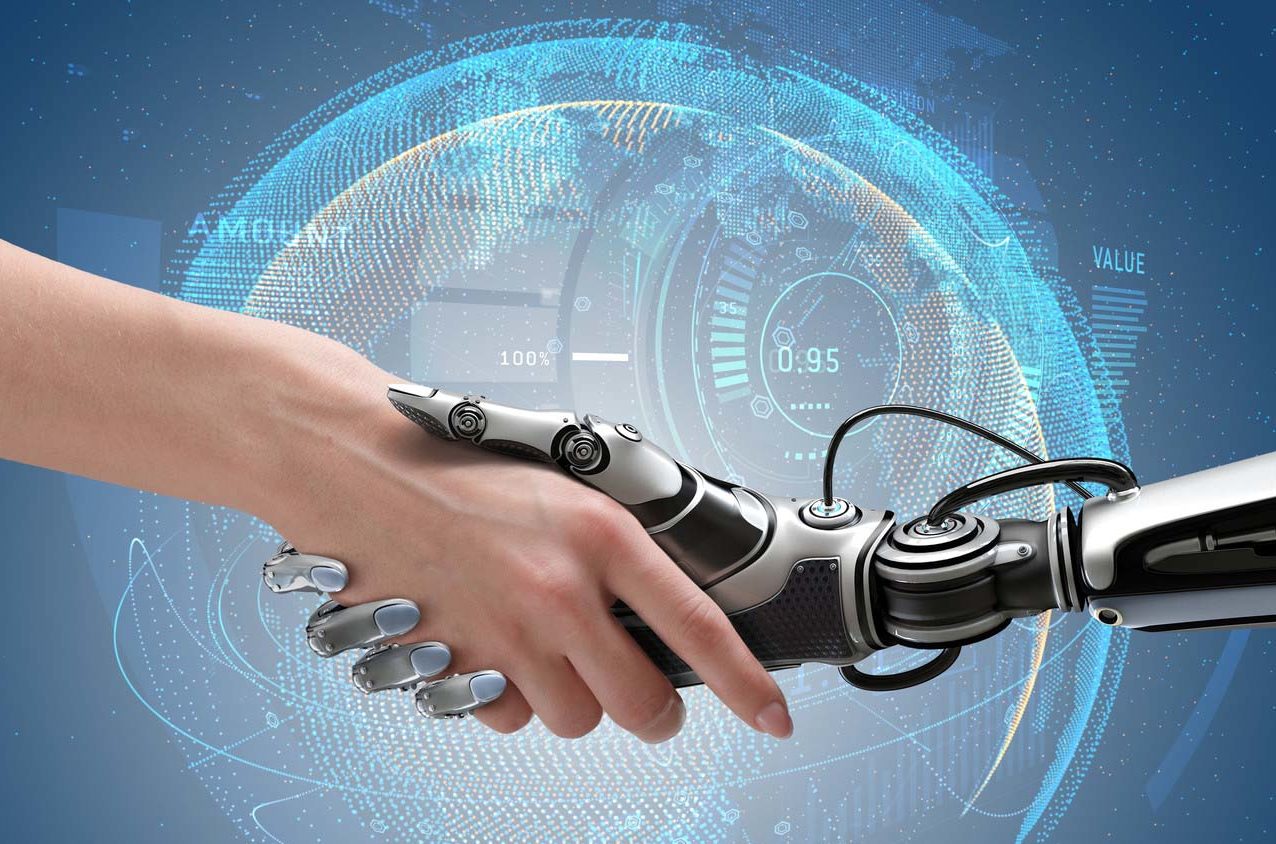
Technology has become the cornerstone of modern life, influencing nearly every aspect of human activity. From communication and healthcare to transportation and entertainment, technological advancements have transformed how we live, work, and interact. The tech industry continues to evolve at a rapid pace, introducing innovations that shape the global economy, redefine societal norms, and create opportunities for creativity and problem-solving. Understanding the current trends, applications, and future directions of technology is essential for individuals, businesses, and governments alike.
The Evolution of Technology
Technology has a long and fascinating history, beginning with simple tools in prehistoric times and evolving into complex systems that power today’s digital world. Early technological innovations included the wheel, agricultural tools, and writing systems, which enabled human civilization to thrive. The Industrial Revolution in the 18th and 19th centuries introduced machinery, steam engines, and mass production, fundamentally altering economies and societies.
The 20th century marked the rise of computing, telecommunications, and electronics, with inventions such as the transistor, personal computer, and the internet revolutionizing how humans process information and connect globally. The 21st century has seen an explosion of digital technologies, including smartphones, cloud computing, artificial intelligence (AI), and the Internet of Things (IoT), creating a highly interconnected and data-driven world.
Key Areas of Technology
Modern technology spans numerous sectors, each with unique innovations and applications:
-
Information Technology (IT): IT encompasses computer systems, software, networks, and data management. IT drives business operations, supports communication, and enables cloud computing, cybersecurity, and big data analytics. Companies rely on IT solutions for efficiency, security, and innovation.
-
Artificial Intelligence (AI) and Machine Learning: AI involves creating systems capable of performing tasks that typically require human intelligence. Machine learning, a subset of AI, allows algorithms to learn from data and improve performance over time. Applications include virtual assistants, predictive analytics, autonomous vehicles, and natural language processing.
-
Robotics: Robotics combines engineering, computer science, and AI to create machines capable of performing complex tasks. Industrial robots streamline manufacturing, while service robots assist in healthcare, logistics, and household tasks. Research in robotics also explores autonomous navigation and human-robot collaboration.
-
Internet of Things (IoT): IoT connects devices and sensors to the internet, enabling real-time data collection, monitoring, and automation. Smart homes, wearable technology, connected vehicles, and industrial IoT systems enhance convenience, efficiency, and sustainability.
-
Blockchain and Cryptocurrency: Blockchain is a decentralized ledger technology that ensures secure, transparent, and tamper-proof transactions. Cryptocurrencies like Bitcoin and Ethereum utilize blockchain for peer-to-peer digital payments. Beyond finance, blockchain enables applications in supply chain management, digital identity, and secure data sharing.
-
Virtual Reality (VR) and Augmented Reality (AR): VR immerses users in digital environments, while AR overlays digital content onto the real world. These technologies are widely used in gaming, education, training, architecture, and marketing, enhancing user engagement and interactive experiences.
-
Renewable and Sustainable Tech: Advances in solar, wind, and energy storage technologies are driving the transition to sustainable energy. Innovations include smart grids, energy-efficient devices, and electric vehicles, addressing environmental challenges and supporting a low-carbon future.
Current Trends in Technology
Technology evolves rapidly, and staying informed about emerging trends is essential for leveraging opportunities and anticipating changes:
-
Cloud Computing: Cloud services allow businesses and individuals to access computing resources, storage, and applications on demand. Cloud computing enhances scalability, reduces infrastructure costs, and supports remote work and collaboration.
-
Cybersecurity Enhancements: As cyber threats become more sophisticated, cybersecurity technologies such as multi-factor authentication, AI-powered threat detection, and encryption are critical for protecting sensitive data and ensuring privacy.
-
5G Connectivity: The rollout of 5G networks provides faster internet speeds, lower latency, and improved connectivity, enabling innovations in autonomous vehicles, smart cities, telemedicine, and immersive digital experiences.
-
Edge Computing: Edge computing processes data closer to the source, reducing latency and improving efficiency for IoT devices, real-time analytics, and autonomous systems.
-
Quantum Computing: Quantum computers leverage quantum mechanics to perform complex computations at unprecedented speeds. Applications include cryptography, drug discovery, financial modeling, and climate simulation.
-
AI-Driven Automation: Businesses are increasingly adopting AI-driven automation to streamline operations, enhance customer service, and reduce human error. Automation spans manufacturing, logistics, finance, and healthcare.
Impact of Technology on Society
Technology has far-reaching effects on society, transforming communication, education, healthcare, and the economy:
-
Communication: Digital platforms, social media, and instant messaging have revolutionized communication, enabling real-time global interactions and information sharing. Collaboration tools and video conferencing support remote work and cross-border business operations.
-
Education: E-learning platforms, online courses, and virtual classrooms enhance access to education. Technology supports personalized learning, interactive content, and global collaboration for students and educators.
-
Healthcare: Telemedicine, wearable devices, AI diagnostics, and robotic surgeries improve patient care, reduce costs, and enable early disease detection. Technology facilitates research and drug development, enhancing public health outcomes.
-
Economic Growth: The tech industry drives innovation, entrepreneurship, and job creation. Startups and tech giants contribute to GDP growth, while digital platforms support small businesses and global trade.
-
Social Challenges: Despite its benefits, technology also presents challenges, including digital addiction, privacy concerns, misinformation, and job displacement due to automation. Addressing these challenges requires regulation, ethical guidelines, and responsible innovation.
Future Directions in Technology
The future of technology promises unprecedented innovation and societal transformation:
-
AI Integration Across Industries: AI will continue to permeate sectors such as healthcare, finance, education, and transportation, enabling smarter decision-making and predictive capabilities.
-
Sustainable Innovation: Tech solutions addressing climate change, resource management, and environmental conservation will gain prominence. Green computing, circular economy initiatives, and renewable energy technologies are key focus areas.
-
Human-Machine Collaboration: Emerging technologies will enhance collaboration between humans and machines, improving efficiency, safety, and productivity in workplaces.
-
Immersive Experiences: VR, AR, and mixed reality technologies will redefine entertainment, training, and customer experiences, offering more interactive and engaging solutions.
-
Global Connectivity: 5G, satellite internet, and IoT networks will connect remote regions, reduce the digital divide, and enable global collaboration.
Practical Tips for Engaging with Technology
To navigate the fast-paced tech landscape, individuals and businesses can adopt these strategies:
-
Continuous Learning: Stay updated with emerging technologies, online courses, workshops, and certifications to maintain relevance and competitiveness.
-
Digital Literacy: Develop skills in data management, cybersecurity awareness, and software proficiency to leverage technology effectively.
-
Adopt Sustainable Practices: Use energy-efficient devices, recycle electronics responsibly, and support green tech solutions.
-
Cybersecurity Measures: Protect personal and organizational data with strong passwords, encryption, secure networks, and regular system updates.
-
Balanced Use: Integrate technology purposefully to enhance productivity and life quality while avoiding overreliance or digital burnout.
Conclusion
Technology continues to reshape the modern world, offering opportunities for innovation, growth, and problem-solving. From AI and robotics to blockchain and renewable energy, advancements are transforming industries, economies, and daily life. Staying informed about trends, embracing responsible and sustainable practices, and leveraging technology thoughtfully allows individuals and businesses to thrive in an increasingly digital world. As technology evolves, it will remain a driving force in creating a connected, efficient, and innovative society.
FAQs About Technology
1. What is the most impactful emerging technology today?
Artificial intelligence (AI) is among the most impactful emerging technologies, influencing sectors like healthcare, finance, manufacturing, and communication. Its applications range from automation to predictive analytics.
2. How is technology affecting employment?
Technology creates new job opportunities in IT, AI, robotics, and digital services, but automation may displace some traditional roles. Continuous skill development is essential for career adaptability.
3. What role does blockchain play beyond cryptocurrency?
Blockchain ensures secure, transparent, and tamper-proof transactions. Beyond cryptocurrency, it is used in supply chain management, digital identity verification, healthcare records, and smart contracts.
4. How can businesses leverage AI for growth?
Businesses can use AI to optimize operations, improve customer service through chatbots, analyze large datasets for insights, and automate repetitive tasks, boosting efficiency and profitability.
5. What are some challenges of rapid technological advancement?
Challenges include cybersecurity threats, privacy concerns, ethical dilemmas, misinformation, digital addiction, and workforce disruption due to automation. Policies and regulations are vital to mitigate these issues.
6. How is 5G transforming technology and connectivity?
5G provides faster speeds, lower latency, and improved network capacity, enabling innovations like autonomous vehicles, IoT integration, telemedicine, immersive AR/VR experiences, and smart cities.
7. What steps can individuals take to stay updated with tech trends?
Individuals can follow tech news, join professional communities, take online courses, attend webinars, and experiment with new technologies to stay informed and develop relevant skills.