

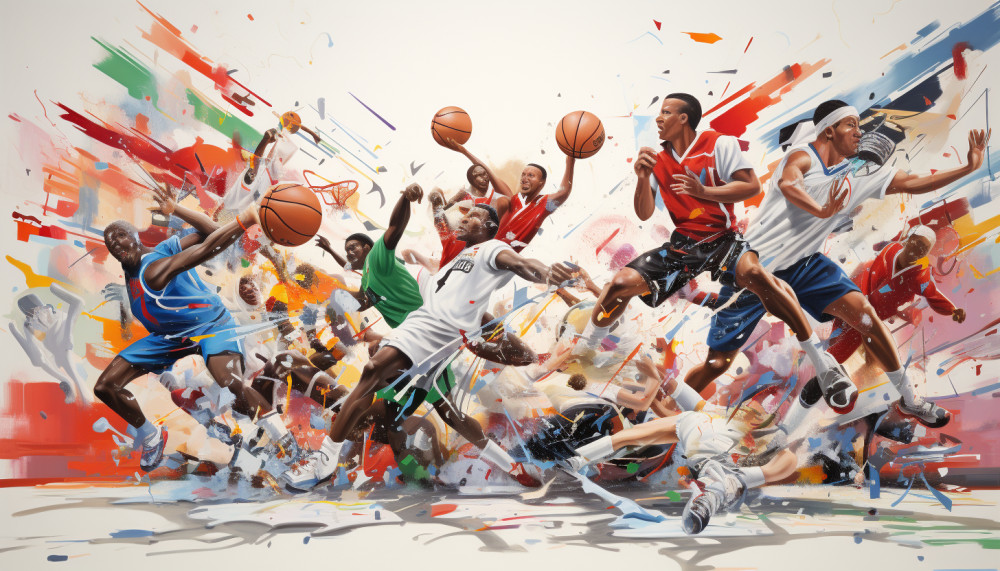
Introduction to Sports
Sports have been an integral part of human civilization for centuries, transcending borders, languages, and cultures. From ancient Olympic Games in Greece to modern international tournaments like the FIFA World Cup, sports have consistently shaped societies and brought people together. They represent not just physical competition but also mental resilience, strategic thinking, and community bonding. Understanding the depth of sports involves exploring their history, variety, health benefits, and their societal and economic impacts.
The Historical Evolution of Sports
The history of sports dates back thousands of years. Ancient civilizations, including the Greeks, Egyptians, and Romans, organized competitions for both entertainment and spiritual purposes.
- Ancient Olympics: Originating in 776 BC in Olympia, Greece, the Olympics showcased athleticism and honored the gods. Competitions included running, wrestling, discus, and javelin.
- Medieval Sports: During the Middle Ages, tournaments such as jousting and archery competitions were prevalent, often linked to military training.
- Modern Sports: The 19th and 20th centuries saw the standardization of rules, creation of international federations, and introduction of organized leagues, making sports more structured and accessible globally.
The evolution of sports reflects human society’s growth, where physical activity transitioned from survival and military preparation to recreation, entertainment, and professional careers.
Types of Sports
Sports can be classified based on physical engagement, team dynamics, and competition level.
Team Sports
Team sports involve groups competing against each other, emphasizing coordination and teamwork. Examples include:
- Football (Soccer): The most popular sport worldwide, known for its global tournaments and fan culture.
- Basketball: Famous for fast-paced action and strategic plays, with leagues like the NBA showcasing elite talent.
- Cricket: A sport deeply rooted in countries like India, England, and Australia, with formats ranging from Test matches to T20 leagues.
Individual Sports
Individual sports highlight personal skill, endurance, and mental focus. Examples include:
- Tennis: Requires agility, precision, and strategic thinking, with Grand Slam tournaments being the pinnacle of competition.
- Athletics: Encompasses track and field events such as running, jumping, and throwing, forming the backbone of Olympic competitions.
- Swimming: Demands endurance and technique, with records often measured in milliseconds.
Adventure and Extreme Sports
These sports focus on thrill, risk, and pushing physical limits. Examples include:
- Rock Climbing: Tests strength, agility, and mental concentration.
- Surfing: Combines balance, ocean knowledge, and reflexes.
- Snowboarding: Popular in winter sports festivals, requiring precision and daring maneuvers.
Each type of sport has its own set of rules, equipment, and training requirements, catering to diverse interests and abilities.
Physical and Mental Health Benefits of Sports
Engaging in sports provides both physical and mental benefits.
Physical Health Benefits
- Improved Cardiovascular Fitness: Activities like running, swimming, and cycling strengthen the heart and lungs.
- Muscle Development and Flexibility: Sports such as gymnastics and weightlifting build strength, endurance, and flexibility.
- Weight Management: Regular participation in sports helps burn calories, reducing the risk of obesity.
Mental Health Benefits
- Stress Reduction: Physical activity triggers endorphin release, helping reduce anxiety and depression.
- Enhanced Focus and Cognitive Skills: Strategic sports like chess, tennis, and football improve decision-making and concentration.
- Boosted Confidence and Self-Esteem: Achieving sports milestones, from scoring goals to winning tournaments, reinforces self-belief.
The combination of mental and physical advantages makes sports an essential component of holistic wellness.
Sports as a Catalyst for Social Change
Beyond personal health, sports have the power to influence social structures and promote inclusivity.
- Cultural Integration: Global tournaments such as the Olympics or World Cup bring together diverse nations, fostering mutual respect and understanding.
- Gender Equality: Initiatives like the FIFA Women’s World Cup and Women’s Tennis Association empower female athletes and challenge societal norms.
- Community Development: Local sports clubs and leagues offer youth opportunities for engagement, mentorship, and skill-building.
Sports can act as a universal language, bridging differences in ethnicity, religion, and socioeconomic status.
Economic and Commercial Impact of Sports
Sports are also a major economic driver, generating employment, tourism, and business opportunities.
- Professional Leagues: Competitions like the NFL, NBA, and IPL provide multi-million-dollar revenues through ticket sales, sponsorships, and broadcasting rights.
- Sports Tourism: International events attract fans from around the globe, boosting local hospitality, travel, and retail sectors.
- Brand Sponsorships and Merchandising: Companies leverage sports’ popularity for marketing campaigns, merchandising, and endorsements, creating a multi-billion-dollar industry.
The commercialization of sports has transformed athletic endeavors into lucrative careers while contributing significantly to national economies.
Technology and Innovation in Sports
Modern sports rely heavily on technology to enhance performance, fairness, and audience experience.
- Wearable Devices: Track heart rate, calories burned, and motion efficiency, helping athletes optimize training.
- Video Assistance and VAR: Implemented in football and cricket to ensure accurate refereeing and decision-making.
- Broadcast Innovations: High-definition streaming, virtual reality, and analytics platforms allow fans worldwide to engage with games in real-time.
Technological integration ensures that sports remain competitive, fair, and entertaining while continuously evolving.
Challenges in Sports
Despite its many benefits, sports face several challenges:
- Doping and Fair Play: Use of performance-enhancing drugs threatens integrity and athlete health.
- Injury Risks: Contact sports like football and rugby pose high risks for injuries, requiring safety protocols.
- Accessibility Issues: Socioeconomic factors limit opportunities for certain populations to engage in organized sports.
- Mental Pressure: Professional athletes often face stress, anxiety, and burnout due to high expectations.
Addressing these challenges requires strict regulations, education, and infrastructure development.
Future Trends in Sports
The sports landscape continues to evolve with emerging trends:
- Esports: Competitive video gaming is gaining legitimacy, with tournaments, sponsorships, and global audiences.
- Sustainable Sports Practices: Eco-friendly stadiums, reduced travel emissions, and green merchandising are shaping responsible sporting events.
- Data-Driven Performance: Advanced analytics and artificial intelligence optimize training, strategy, and player selection.
- Inclusive Sports: Adaptive sports for differently-abled athletes are growing in visibility and support.
These trends highlight sports’ adaptability, innovation, and potential for widespread societal impact.
Conclusion
Sports are far more than games; they are a reflection of human spirit, culture, and aspiration. They build physical strength, mental resilience, social cohesion, and economic value. From local playgrounds to global arenas, sports inspire, entertain, and unite communities across the world. Embracing sports as a lifestyle and cultural phenomenon can lead to healthier individuals, stronger societies, and a more connected world.
Frequently Asked Questions (FAQs)
1. How do sports impact mental health?
Sports reduce stress and anxiety by releasing endorphins, improving mood, and promoting better sleep patterns. Team sports also enhance social connections, contributing to emotional well-being.
2. What are the most popular sports worldwide?
Football (soccer), basketball, cricket, tennis, and athletics consistently rank as the most played and watched sports globally. Popularity varies by region and cultural context.
3. Can technology improve athletic performance?
Yes, wearable devices, motion sensors, and data analytics help athletes track performance, prevent injuries, and optimize training strategies.
4. How do sports promote social inclusion?
Sports provide common ground for individuals from diverse backgrounds, encouraging teamwork, communication, and mutual respect across gender, ethnicity, and socioeconomic lines.
5. What are extreme sports, and why are they popular?
Extreme sports involve high-risk activities like rock climbing, surfing, and snowboarding. They attract thrill-seekers due to adrenaline, skill challenge, and excitement.
6. How has commercialization affected sports?
Commercialization has increased revenue, sponsorships, and media coverage, turning sports into a global industry. However, it also brings pressures on athletes and may shift focus from pure competition to entertainment.
7. What role do sports play in education?
Sports encourage discipline, teamwork, and leadership in students. Many schools and universities incorporate sports programs to promote physical health, mental growth, and academic performance.