

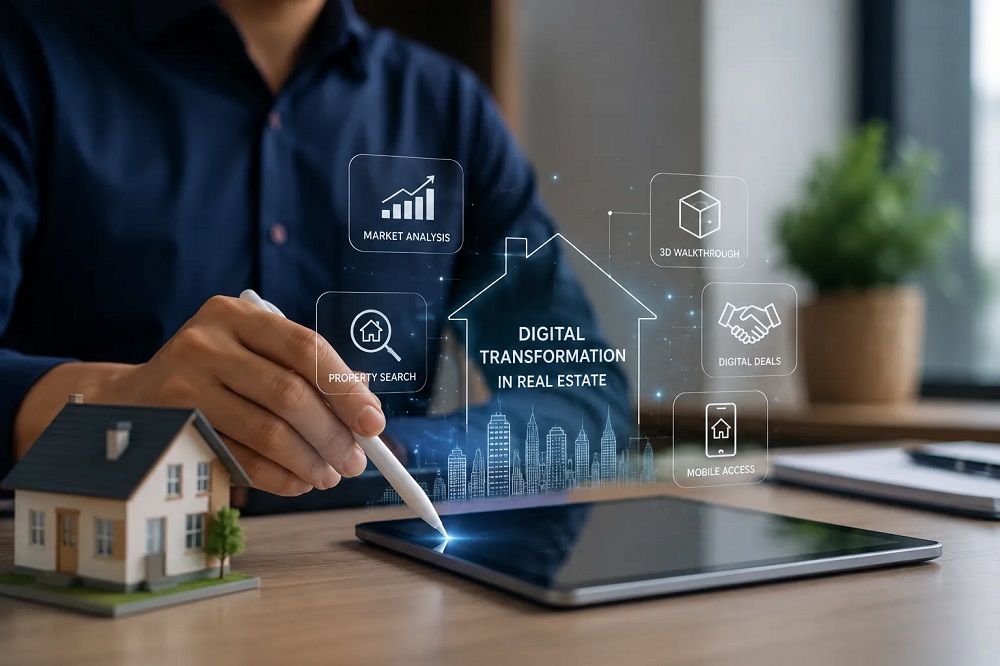
The real estate sector has historically been defined by paper-heavy documentation, fragmented communication channels, manual property appraisals, and protracted closing schedules. For decades, buying or selling property required physical visits, stack after stack of notarized paperwork, complex escrow arrangements, and weeks of anxiety while waiting for loan approvals. Today, a technological revolution commonly known as proptech is dismantling these legacy inefficiencies, modernizing every stage of the property transaction lifecycle.
Advanced software algorithms, digital identity verification, immersive virtual touring tools, smart contracts, and cloud-based closing platforms are streamlining interactions between buyers, sellers, realtors, mortgage lenders, and title agents. The integration of modern real estate technology is accelerating deal velocity, reducing transaction fees, increasing pricing transparency, and empowering consumers to navigate property deals with unprecedented ease.
Virtual Immersive Experiences and Digital Sight Unseen Sales
Physical location visits have always represented a time-consuming bottleneck in property acquisition, particularly for long-distance relocations or international real estate investments. Modern visual technologies have transformed preliminary home searching from a weekend-long road trip into an instant digital experience.
-
High-Definition Interactive Virtual Tours: Advanced spatial cameras scan property interiors to generate dimensionally accurate three-dimensional floor plans and interactive walking tours. Prospective buyers can measure wall dimensions, evaluate room flow, and inspect architectural details remotely on their personal computers or mobile devices.
-
Augmented Reality Interior Customization: Augmented reality applications allow buyers to visualize potential home modifications during virtual tours. Users can swap out flooring materials, test paint colors, preview furniture placement, and visualize structural renovations in real time, making it easier to evaluate a property true potential.
-
Virtual Staging and Architectural Rendering: For newly constructed properties or vacant homes, digital staging software populates rooms with stylish virtual furnishings at a fraction of the cost of physical staging. Architectural rendering software allows buyers to walk through unbuilt developments, experiencing spatial layouts before ground is broken.
Automated Valuation Models and Data-Driven Property Pricing
Determining fair market value for a home used to rely almost exclusively on manual comparative market analysis prepared by real estate agents or traditional appraisers. While human expertise remains important, Automated Valuation Models powered by machine learning algorithms have introduced unmatched speed and analytical depth to property valuation.
Modern pricing algorithms analyze thousands of dynamic data points simultaneously. Beyond basic property parameters like square footage, bedroom count, and recent neighborhood sales, automated models evaluate hyper-local variables: proximity to highly rated schools, local noise levels, walkability scores, historical crime trends, zoning updates, regional climate risk data, and micro-economic migration patterns.
For sellers, automated valuation tools assist in setting competitive, market-aligned listing prices right from the start, minimizing days on market. For buyers and mortgage underwriters, real-time data modeling speeds up underwriting approvals, flags inflated pricing, and reduces the risk of appraisal delays stalling a purchase contract.
Digital Mortgage Infrastructure and Streamlined Underwriting
Securing a mortgage loan has traditionally been one of the most stressful aspects of buying a home. Piles of physical bank statements, pay stubs, tax returns, and employment verifications frequently led to administrative delays and lost paperwork. Digital mortgage platforms have overhauled this complex workflow through direct API integrations with financial institutions.
-
Instant Financial Verification: Borrowers can link their bank accounts, payroll providers, and tax portals directly to loan applications. Automated systems verify assets, income, and debt ratios in minutes rather than weeks.
-
Automated Credit Underwriting: Advanced underwriting engines process loan files instantly against secondary market lending criteria, issuing conditional pre-approval letters quickly and accelerating buyers negotiating position.
-
Transparent Borrower Dashboards: Cloud-based loan portals provide buyers with clear visual progress bars, listing outstanding document requests, milestone completions, and expected closing dates, eliminating back-and-forth email chains.
Blockchain, Smart Contracts, and Fraud Reduction
Title verification and deed recording are critical components of property transactions designed to ensure a seller has clear, unencumbered ownership rights to transfer. Traditional title searches involve manually checking public records across county courthouses to verify historical ownership chains, tax liens, and encumbrances.
Blockchain technology introduces a decentralized, tamper-proof digital ledger for land titles and property registries. When property records are stored on a secure blockchain, historical title data becomes instantly verifiable, immutable, and transparent. Title companies can complete verification searches in hours rather than days, drastically lowering title search fees.
Furthermore, smart contracts—self-executing digital agreements with terms embedded directly into code—automate escrow releases and funds distribution. Once predetermined conditions are satisfied, such as passing a property inspection and securing final loan approval, the smart contract automatically transfers funds to the seller and records the digital deed transfer, minimizing earnest money wire fraud risks.
Digital Closings, E-Notarization, and Frictionless Title Transfers
The final step of any property transaction, the closing, historically required all parties to gather physically around a conference table to sign dozens of paper documents. Modern digital closing platforms, supported by federal and state legislative updates, have enabled complete remote closings.
Remote Online Notarization technology allows buyers and sellers to verify their identities using knowledge-based authentication and biometric scanning before joining a secure audio-video conference with a licensed digital notary. Closing packages are reviewed, initialed, and executed digitally using legal e-signatures. Electronic recording platforms then submit signed deeds and mortgage documents to municipal recording offices instantly, completing the transaction seamlessly from any location in the world.
Adopting digital transaction tools allows real estate professionals, lenders, and consumers to eliminate unnecessary delays, minimize administrative costs, and execute secure property deals with complete confidence.
Frequently Asked Questions
What is an iBuyer, and how do their transactions differ from traditional real estate sales?
An iBuyer, or instant buyer, is a company that uses automated valuation models and algorithms to make quick, all-cash offers on residential homes directly from sellers. The process bypasses traditional home staging, public open houses, and lengthier buyer financing approvals. While iBuyers offer unmatched speed and convenience, they typically charge service fees and focus primarily on standard homes in predictable markets.
Are digital signatures and electronically signed real estate contracts legally binding?
Yes, digital signatures and electronic real estate contracts are fully legally binding across the United States under the Electronic Signatures in Global and National Commerce Act and the Uniform Electronic Transactions Act. These laws grant e-signatures the same legal weight and enforceability as traditional handwritten signatures on paper documents.
How does Remote Online Notarization work during a property closing?
Remote Online Notarization allows a buyer or seller to notarize real estate documents online using a video call with a certified notary public. The signers verify their identities through automated identity proofing, including credential analysis of their government-issued ID and credential authentication questions, before signing the documents electronically on screen.
Will automated valuation technology replace traditional real estate appraisers?
Automated valuation technology enhances and accelerates property appraisals, but it is unlikely to replace human appraisers entirely. While algorithms process quantitative data rapidly, human appraisers are still necessary to evaluate qualitative physical factors, such as custom interior finishes, recent unpermitted renovations, structural flaws, or unique architectural features that algorithms cannot detect from public data alone.
What measures protect digital property closing platforms from cyber fraud and wire scams?
Digital closing platforms utilize multi-factor authentication, end-to-end data encryption, identity verification tools, and secure communication portals to combat wire fraud. By centralizing wiring instructions inside secure platforms rather than relying on unencrypted email communications, these technologies protect buyer earnest money deposits and seller net proceeds from intercepted communications.
How does proptech benefit real estate agents and brokers in daily operations?
Proptech tools streamline agent workflows by automating client lead tracking, managing digital transaction files, generating market reports, scheduling showings, and coordinating electronic signature requests. Automating administrative tasks frees agents to focus on strategic client advice, contract negotiations, and market analysis.
What is tokenization in commercial and residential real estate investment?
Tokenization is the process of converting ownership rights of a physical real estate asset into digital tokens recorded on a blockchain network. Each token represents a fractional equity share in the property. Tokenization lowers financial entry barriers for real estate investors, allowing individuals to purchase fractional shares in high-value commercial or residential properties and trade those shares on digital secondary markets with greater liquidity.
