
Artisanal Stations: Crafting Unique Culinary Experiences
The Charm of Charcuterie: A Meaty Marvel
Charcuterie boards have evolved far beyond simple cheese and meat platters; they are now an essential centerpiece that embodies culinary artistry and creativity. The charm of charcuterie lies in its ability to showcase a wide array of flavors, textures, and visual appeal, creating an inviting and shareable experience for guests. Imagine a beautifully arranged board featuring artisanal cheeses, cured meats, seasonal fruits, and a variety of delectable accompaniments such as house-made pickles, honey, or gourmet mustards. Each item sparks conversation and encourages guests to explore different pairings, making it an interactive culinary journey.
The beauty of curated charcuterie is in its versatility. Couples can customize their boards to reflect their personalities and preferences, selecting local cheeses, exotic cured meats, or even vegan options to cater to diverse dietary needs. Seasonal variations can also enhance the presentation, using fresh herbs in the summer or warm spices in the fall. Beyond just aesthetics, these boards also offer an opportunity to support local artisans, aligning with the growing trend of community-focused wedding planning.
Heavenly Dessert Bars: Sweet Surprises Await
Catering to the sweet tooth, dessert bars are fast becoming a trend in wedding receptions, shifting focus from the traditional single wedding cake to an open display of confections that tantalize both the eyes and palate. A dessert bar invites guests to indulge in a variety of treats, from gourmet cupcakes and artisanal cookies to decadent brownies and mini tarts. This concept not only expands choices for the wedding party but also fosters a sense of excitement and delight among guests as they peruse options that cater to all tastes and preferences.
To elevate the experience further, consider thematic dessert bars, such as a vintage candy station reminiscent of childhood favorites or a modern twist on classic desserts featuring global influences like French macarons or Japanese mochi. Couples can enhance the aesthetic by incorporating decorative elements that align with their wedding’s overall theme, using beautiful table settings, elegant signage, and interactive elements like DIY sundae stations or chocolate fountains. The key is to create an experience that sparks joy and engagement, turning traditional dessert offerings into an adventure.
Interactive Food Experiences: Engage Your Guests
Guests relish experiences at weddings, and interactive food stations provide just that, transforming dining into an engaging activity that can break the ice and foster conversations. An engaging food experience encourages attendees to participate and creates lasting memories in the process. Think about options like a build-your-own taco bar, where guests can customize their tacos with an array of toppings from fresh salsa to grilled vegetables and zesty sauces. Such stations not only cater to diverse tastes but also infuse personality into the event, allowing guests to curate their culinary experience.
Similarly, live cooking stations, whether showcasing a skilled pasta chef tossing fresh ingredients or sushi chefs artfully rolling sushi, create a vibrant atmosphere that dazzles and captivates onlookers. The energy of preparation provided in real-time adds a dynamic element of theater to the meal, evoking a multisensory experience that elevates your special day. Have fun with the presentation, consider pairing these interactive food stations with customized signature drink pairings. Overall, these food experiences create a sense of community among guests—an intrinsic part of celebrating love and unity.
Farm-to-Table Elegance: Fresh Flavors That Matter
Seasonal Ingredients: Taste the Changing Seasons
One of the most compelling wedding food trends is the emphasis on farm-to-table dining, focusing on fresh, seasonal ingredients sourced directly from local farms. Utilizing seasonal produce not only enhances flavor but also supports local farmers and economies while promoting sustainability. Couples committed to reducing their carbon footprint appreciate the farm-to-table movement because it emphasizes ingredients grown and harvested in their local communities, often used at peak freshness and flavor quality.
Creating a menu based on seasonal ingredients allows chefs to get creative with dishes that reflect the essence of the season, from refreshing summer salads featuring heirloom tomatoes and basil to hearty winter stews boasting root vegetables and rich broths. Seasonal dishes can help evoke nostalgic memories for the couple, walking guests through a culinary story of their relationship and experiences, making each bite memorable. Additionally, this level of thoughtfulness in menu planning showcases the couple’s commitment to quality and sustainability—core values that resonate with many modern couples and their guests alike.
Local Producers: Supporting Community and Quality
Choosing to work with local producers not only enriches a wedding’s culinary offerings but also fosters a connection with the community—something increasingly valued by many couples. Sourcing ingredients from local farms and artisans reduces transportation emissions, embraces fresher products, and demonstrates a commitment to environmental stewardship. Working closely with local farmers and producers allows couples to learn about the food’s origins and often the best preparation techniques, engaging them in the entire process.
Engaging local producers can also bring unique elements to a wedding’s menu. For instance, consider incorporating locally made cheeses, artisanal bread, or craft beers. Such products often have a distinct quality, featuring bold flavors that stand out on the palate. Couples can even arrange for tasting menus that showcase the producer’s finest offerings, allowing guests to explore flavors while simultaneously learning about the benefits of supporting the ecosystem. This elevated approach not only delivers a remarkable gastronomic experience but creates a wedding event that reflects values, commitment, and the essence of community.
Sustainable Choices: Eco-Friendly Wedding Dining
As sustainability becomes a more significant concern for couples planning their weddings, the push for eco-friendly dining options in wedding catering is at an all-time high. Couples can explore dining options that minimize food waste, utilize recyclable or compostable materials, and prioritize seasonal and local produce. Emphasizing sustainable dining pays homage not only to responsible food sourcing but also to an entire approach to catering that aligns with many modern couples’ values.
For example, couples can opt for a plated meal rather than a buffet to reduce food overflow and excesses, or work with caterers that practice zero-waste principles by creatively using leftover food or donating uneaten meals to local shelters. Using organic and fair-trade ingredients whenever possible, everyone can feel good about contributing to the welfare of the planet. Additionally, by considering sustainable options, couples can encourage their guests to think about their impact on the environment, creating a sense of awareness and community responsibility that extends far beyond the wedding day itself.
Global Influences: A Culinary Journey Around the World
Fusion Flavors: Blending Cultures on a Plate
In today’s global society, the concept of fusion cuisine has gained incredible popularity, particularly in wedding menus showcasing the couple’s diverse backgrounds or travel experiences. It combines elements from various culinary traditions, creating delightful dishes that offer guests a unique taste of the couple’s journey through food. This culinary trend allows for a creative expression that reflects personal narratives, ensuring the meal is not just about sustenance but also signifies the merging of cultures and families.
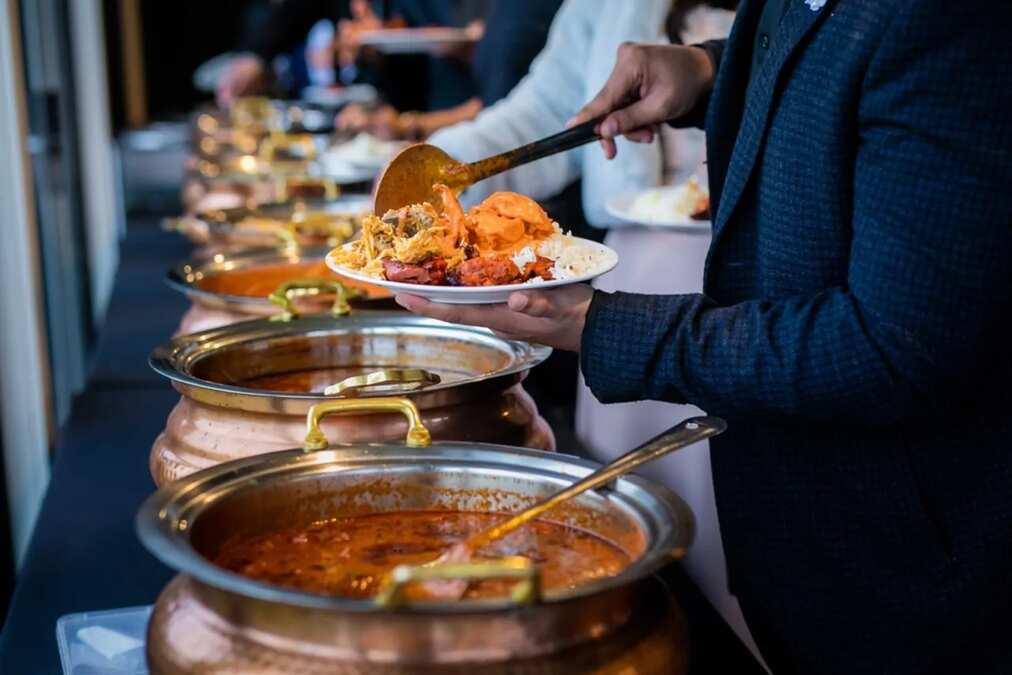
For instance, a couple from different cultural backgrounds might blend traditional dishes, such as showcasing an Indian-style curry alongside a classic Italian risotto inspired by their travels. Food becomes a conversation starter, bringing together guests from diverse traditions to explore new flavors that challenge their palates and open their minds. Beyond serving distinctive dishes, couples can even incorporate cocktail pairings that reflect the cuisine’s origin, engaging guests’ senses and invoking a more profound appreciation for the art of cooking and the significance of shared experiences.
Coastal Delights: Seafood that Steals the Show
With an increasing shift towards lighter, fresher options for celebrations, seafood has emerged as a beautiful centerpiece for many wedding menus. Coastal delights, ranging from buttery scallops to perfectly grilled shrimp, bring a sophisticated elegance to wedding banquets. Including high-quality seafood sourced from sustainable fisheries not only impresses guests but aligns with sustainable dining practices, as many appreciate the flavor and freshness that seafood provides.
Additionally, seafood can be creatively presented to suit various themes, whether that’s a raw bar featuring oysters and shrimp cocktail or a stunning seafood paella that serves as a beautiful focal point for a buffet. The versatility of seafood allows couples to provide a variety of options, ensuring there’s something for every palate. Moreover, having a seasoned seafood chef on-site can create a memorable experience, offering guests an avenue to learn more about preparation and pairings, making their dining experience not merely a meal but an exploration of culture and craftsmanship.
Exotic Spices: Elevating Traditional Dishes
Incorporating exotic spices into traditional dishes is an exciting way to elevate wedding menus and introduce guests to new culinary experiences. Spices not only enhance flavors but also evoke memories and emotions tied to food, making the dining experience profoundly impactful. Consider adding spices like saffron, turmeric, or sumac to familiar dishes to create elevated versions that tantalize the palate and surprise the senses.
Couples can blend traditional regionally identified dishes with unexpected spice profiles, leading to delightful flavor surprises. Whether it’s an aromatic herb-encrusted lamb served in a fusion style with Indian spices or a classic Italian risotto given a Moroccan twist with cardamom and cinnamon, this culinary exploration offers something unique. Having a knowledgeable catering team can facilitate discussions around spice origins and the health benefits associated with different spices, promoting an appreciation of the global diversity that food represents. This trend not only enhances the food’s depth but transforms the wedding meal into a memorable multi-sensory journey.
Beyond Traditional: Creative Cuisine Trends to Explore
Plant-Based Wonders: Celebrating Vegetarian Elegance
As dietary preferences continue to evolve, the surge in plant-based diets has infiltrated the wedding catering industry, allowing couples to honor sustainability, health, and inclusivity through creative vegetarian options. Plant-based wonders can easily transcend beyond the common salad, offering visually striking and flavorful dishes that cater to all guests, regardless of dietary restrictions. From innovative plant-based hors d’oeuvres such as beetroot hummus served with an array of sliced vegetables to hearty, flavorful entrees like wild mushroom risotto or jackfruit tacos, the options are limitless.
The key to delivering a remarkable plant-based dining experience lies in the use of rich flavors, textures, and color. Engaging a chef who specializes in plant-based cuisine can transform the perception of vegetarian cooking and prove to guests that such meals can be deeply satisfying and indulgent. Beyond just serving these exceptional dishes, couples can create a narrative around their food choices, sharing insights about their values and motivations, allowing guests to feel more connected to their culinary journey.
Gourmet Comfort Food: A Taste of Nostalgia
In an age where food trends often push towards the avant-garde, there’s a strong resurgence in comfort food, allowing couples to evoke nostalgia while elevating simple meals into culinary masterpieces. Gourmet comfort food—those nostalgic dishes with inventive twists—can be a delightful trip down memory lane. Consider options like rich macaroni and cheese with truffle oil, upscale shepherd’s pie with gourmet lamb or even sliders gourmet-style topped with unique sauces and artisanal cheeses.
This trend embraces heartwarming flavors that resonate with guests on an emotional level while still elevating them to gourmet standards. The experience may begin with familiar tastes, but their creative presentation and quality ingredients ensure guests appreciate the artistry behind these dishes. It offers an opportunity for couples to share significant memories tied to these meals, creating a sense of connection and heartfelt camaraderie among loved ones gathered to celebrate.
Signature Cocktails: Drink Options with a Personal Touch
As couples increasingly look for ways to personalize their weddings, the concept of signature cocktails has gained traction, allowing them to convey their story through a curated drink menu. Signature cocktails can reflect the couple’s personalities or even highlight significant moments in their relationship, incorporating flavors, colors, or even ingredients representing special places they’ve visited together. Custom cocktails can include a refreshing gin and tonic infused with hints of elderflower for a light summer wedding or a rich whiskey-based drink featuring local honey during winter.
Presentation is key when it comes to signature cocktails; consider garnishes like edible flowers, seasonal fruits, or artisan bitters to make them visually stunning. By engaging a skilled bartender or mixologist to craft these unique beverages, couples can create an elevated cocktail experience that perfectly complements their food selections and wedding theme. Ultimately, it ties the overall experience together, allowing guests to sip on something that resonates with the couple’s journey while enjoying their memorable day.
FAQ
Question: How can couples incorporate local cuisine into their wedding menus? – Couples can collaborate with local farms and artisans to incorporate seasonal and regional specialties, showcasing the unique flavors of their hometown or favorite culinary regions.
Question: What are some creative ways to serve food at a wedding? – Options include interactive food stations, themed bars like a sushi or taco station, and plated courses that encourage mingling and conversation among guests.
Question: How can sustainability be integrated into wedding catering? – Couples can choose caterers who use organic and local ingredients, minimize food waste, use eco-friendly materials, and implement zero-waste practices through careful planning.
Question: What are some fun dessert bar themes for weddings? – Popular themes include a vintage candy station, a global dessert bar featuring treats from various cultures, or an interactive DIY sundae and topping station.
Question: How can couples cater to diverse dietary preferences at their wedding? – It’s helpful to offer a variety of menu options including plant-based dishes, gluten-free alternatives, and customizable stations to accommodate all guests’ dietary needs.
Question: What types of signature cocktails are popular for weddings? – Popular types include refreshing floral-infused drinks, winter warmers featuring spices, or cocktails inspired by meaningful moments in the couple’s relationship or shared travels.
Question: How can interactive food stations enhance guest experience? – Interactive food stations create a fun and engaging atmosphere, allowing guests to customize their dishes while fostering social interaction and making dining a shared experience.
Question: What is the importance of flavor variety in wedding menus? – Offering a range of flavors—spicy, sweet, savory, and umami—ensures that there’s something for every palate, creating a memorable dining experience that resonates with all guests.
Useful Resources
- Culinary School – Educational resources on culinary arts and professional cooking.
- Farm to Table – Insights on sourcing local, seasonal ingredients and sustainable dining practices.
- Sustainable Catering – Information about eco-friendly catering options and practices.
- The Kitchn – A resource for recipes, cooking techniques, and meal planning ideas.
- Food Allergy Research & Education – Educational resources on accommodating dietary restrictions and allergies.
- Bar Professionals – Tips and resources for crafting cocktails and beverage presentations.
- National Restaurant Association – Advocacy and educational resources for the restaurant and food service industry.
- Cake Alchemy – Insights into baking and designing creative dessert stations.