
The Allure of Quartz Countertops: A Modern Marvel in the Kitchen
Unraveling the Benefits: Durability Meets Elegance
When it comes to designing a kitchen that embodies both style and functionality, quartz countertops consistently emerge as a top choice among homeowners and designers alike. The allure of quartz lies not only in its sophisticated appearance but also in its remarkable durability. Composed of approximately 90-95% crushed natural quartz crystals combined with resin and polymer, quartz creates a non-porous surface that is inherently resistant to stains, scratches, and heat. This innovative material does not require sealing, making it a low-maintenance option compared to traditional stone countertops. Its durability is matched by its versatility; available in countless colors and patterns, quartz can mimic the look of natural stones like marble or granite, offering a luxurious aesthetic without the associated wear and tear.
Moreover, the hygiene factor cannot be overstated—because quartz is non-porous, it does not harbor bacteria or mildew, leading to a healthier kitchen environment. This quality is especially critical in the realm of food preparation, where cleanliness is synonymous with safety. In recent years, the introduction of more environmentally friendly quartz options, which use recycled materials and sustainable practices, further amplifies its appeal among eco-conscious consumers. In essence, the amalgamation of beauty, durability, and hygienic properties renders quartz countertops a modern marvel that elevates kitchen spaces into realms of elegance and practicality.
Quartz vs. Other Materials: The Smart Choice for Your Dream Kitchen
In the ongoing debate of quartz versus other countertop materials, it’s essential to dissect critical factors such as cost, maintenance, aesthetics, and overall value. For many homeowners, granite has traditionally been the go-to choice for a natural stone look. While granite has its merits, including heat resistance and a unique natural aesthetic, it tends to require significant maintenance. Granite must be sealed regularly to prevent moisture absorption and staining, which can be daunting for individuals leading busy lives.
Additionally, it is more susceptible to chipping, particularly at its seams, and can have variances in color and pattern that may not match your design vision. On the other hand, laminate countertops—often marketed as an inexpensive option—suffer from durability challenges. While modern laminates have made strides in resembling natural stones, they may not hold up under rigorous use, as they can scratch easily and cannot withstand high heat or impacts effectively. Concrete, although trendy, can be labor-intensive to install and requires sealing to protect against staining and moisture.
Ultimately, quartz presents itself as a smart choice due to its balanced combination of elegance, durability, and low maintenance. Its flexibility in style and its ability to withstand the trials of a frequently used kitchen position quartz as a frontrunner in countertop materials, thereby making it an astute investment for homeowners aspiring for a kitchen that marries function with style.
Oak Cabinets: A Timeless Classic with Versatile Appeal
Exploring the Unique Characteristics of Oak: What Sets It Apart?
Oak cabinets have remained a staple in kitchen design for centuries due to their timeless aesthetic and robust nature. The rich grain patterns and warm hues of oak lend a classic character that can adapt to various design styles, from rustic country kitchens to sleek modern interiors. One of the defining characteristics of oak is its broad grain patterns, which offer visual depth and can instigate an inviting ambiance. The two primary species of oak used in cabinetry are red oak and white oak. Red oak is known for its striking reddish-brown hue and pronounced grain, making it an excellent candidate for stained finishes that enhance its vibrancy. It is a versatile wood that holds up well to both traditional and contemporary stylistic elements. In contrast, white oak presents a more muted tawny yellow color with fewer visible grain lines, providing subtle elegance that complements more refined spaces. White oak is also more resistant to water and decay compared to its red counterpart, making it particularly suited for kitchen environments.
Furthermore, oak cabinets are versatile in terms of customization; they can be stained in an extensive range of colors or left in a natural finish to emphasize their distinct character. This adaptability allows homeowners to effectively coordinate oak cabinetry with diverse elements in their kitchen, including countertops, backsplashes, and flooring. Ultimately, with their rich history, both aesthetic versatility and architectural strength, oak cabinets offer a timeless quality that appeals to contemporary and classic design sensibilities alike.
Choosing the Right Finish: Enhancing Oak’s Natural Beauty
The finish applied to oak cabinets can profoundly influence both their aesthetic and longevity. Selecting the proper finish is not merely a matter of preference; it profoundly impacts how the wood interacts with light and environmental factors. Stains, varnishes, oils, and paints each serve different purposes and achieve various effects. Stains, for instance, can amplify the natural grain of oak, allowing the warm tones to shine while protecting the wood from wear. A lighter stain can bring out the golden hues of white oak, rendering it a more contemporary option, while a darker stain adds depth and sophistication to red oak, catering to those who favor traditional styles.
On the other hand, oil finishes penetrate the wood, enriching its natural color while providing a more durable surface that can withstand moisture. This option may require periodic reapplication but results in a beautiful, natural appearance that many find desirable. For homeowners aiming for a more uniform look or those wanting to incorporate bold colors, painted finishes may be the best choice. High-quality paints can provide a contemporary vibe while also protecting the wood underneath. However, it is crucial to ensure proper preparation to achieve a durable finish, especially for kitchen cabinetry subjected to frequent use. In conclusion, the selection of finish can enhance oak’s natural beauty, allowing for personalization that complements your unique kitchen design while ensuring durability and function.
The Perfect Harmony: Blending Quartz and Oak for Stunning Aesthetics
Color Schemes that Wow: How to Match Your Quartz and Oak
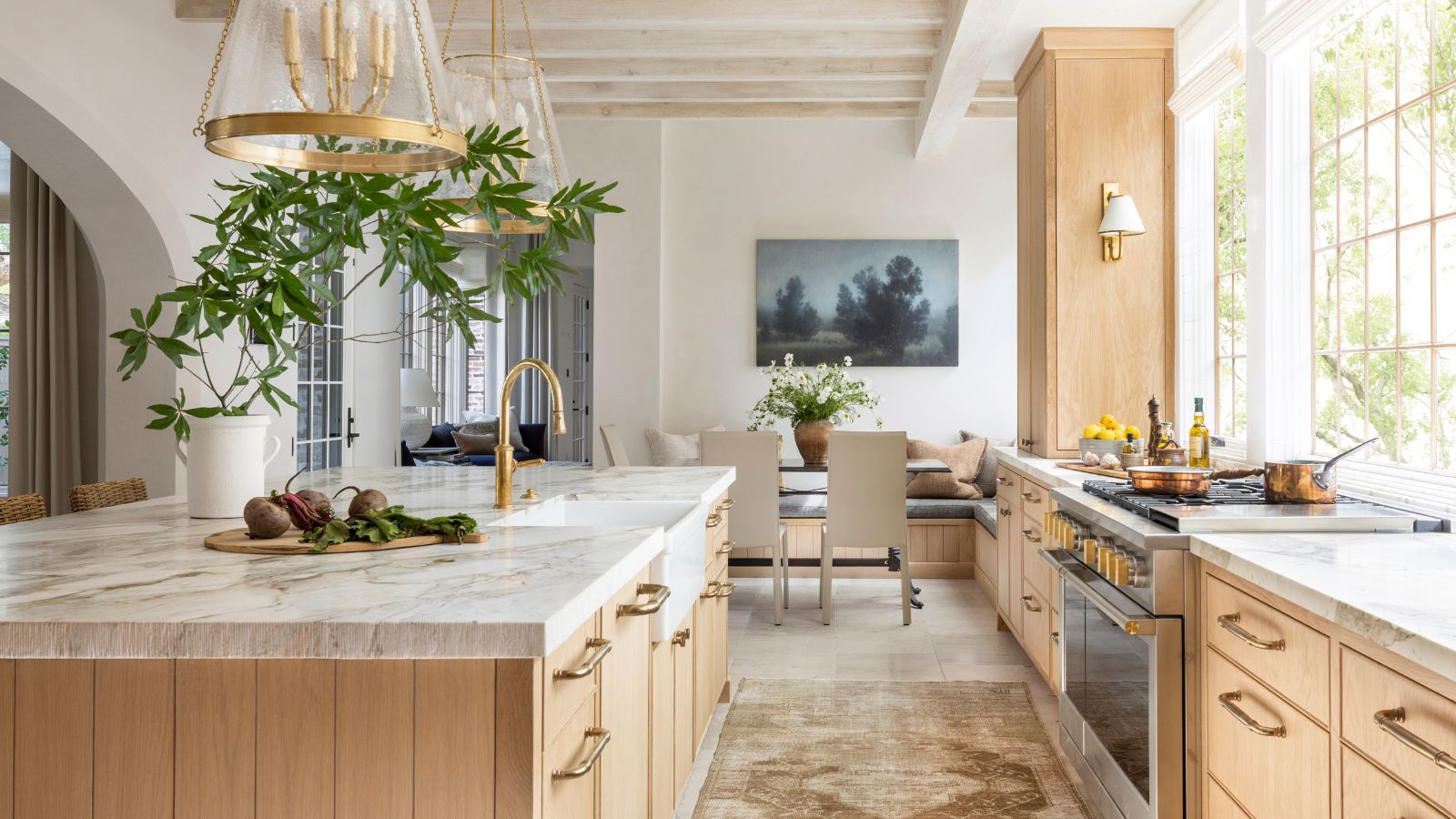
Achieving the perfect balance with quartz countertops with oak cabinets is an art form that can elevate the look of any kitchen. Proper color coordination enhances the harmony between these materials, creating a visually striking and cohesive space. Starting from the countertops, quartz is available in a multitude of shades and patterns, making the selection process as essential as the choice of cabinetry. For lighter quartz options, such as whites and creams, pairing with dark or medium-stained oak can create a striking contrast that evokes sophistication and modernity.
In contrast, if your quartz features bolder patterns or dark hues, consider complementing it with lighter oak finishes to prevent the space from feeling dense or overwhelming. A soft, blonde oak finish harmonizes beautifully with darker quartz, providing an unexpected layer of warmth and visual interest. Neutral tones in quartz work exceptionally well with oak cabinets, allowing for a seamless connection between the two materials. For instance, quartz that boasts subtle gray veining can coexist effortlessly with both light and dark oak, establishing a skilled play of contrasts. To elevate your kitchen design even further, consider incorporating accent colors through fixtures, tiles, or décor that resonates with both the quartz and oak. The key is to maintain a cohesive look while allowing for personalities to emerge, creating a space that feels curated and intentional.
Textural Contrast: Achieving Depth and Interest in Your Design
While color coordination is vital in achieving an appealing kitchen design, the interplay of textures is equally paramount in creating depth and interest. The natural texture of oak, with its noticeable grain and warmth, infuses richness and authenticity into the design. In contrast, the smooth, polished surface of quartz adds a sleek, modern element, producing a captivating tactile contrast. This textural interplay can evoke both comfort and luxury, profoundly impacting the overall retrospective of your kitchen. To accentuate the textural diversity, consider incorporating various materials such as stainless steel appliances, glass backsplashes, and ceramic tiles. The juxtaposition of smooth quartz against the grainy oak can enhance surrounding surfaces, drawing the eye across the kitchen and enriching the design narrative.
Accessories such as woven baskets or textiles in which fabric is used also impart softness to the overall aesthetic. Adding bar stools with metal or upholstered finishes can further accentuate the contrast, creating a layered and multidimensional space. Moreover, layering different finishes within the oak cabinetry can add to the visual complexity. For instance, choosing a matte finish for upper cabinets that contrasts with glossier lower cabinets creates dynamic visual movement while complementing the elegance of quartz. This interplay of textures can make your kitchen an inviting space that wraps you in comfort while simultaneously stimulating your senses with its beauty.
Maintenance and Longevity: Keeping Your Kitchen Looking Fabulous
Cleaning Tips for Quartz and Oak: Simple Do’s and Don’ts
To maintain the elegance and functionality of quartz countertops and oak cabinets, a robust cleaning regimen is essential. For quartz, it is relatively headache-free—simply utilizing warm soapy water and a soft cloth is usually enough to keep your counters pristine. Stubborn stains may require a gentle abrasive cleaner, avoiding harsh chemicals that can degrade the resin over time. Remember, quartz is resistant, but it’s not impervious to harsh impacts or thermal damage, so using trivets for hot pots and cutting boards for food preparation is recommended to maintain its integrity.
When it comes to oak cabinetry, cleaning needs can vary based on the finish applied. For painted or stained oak, avoid excessive moisture, which can weaken the wood. A gentle microfiber cloth or duster is often all that’s needed for day-to-day maintenance. In cases of heavier soiling, a damp cloth with a mild detergent will suffice; however, remember to dry immediately to prevent water damage. Never use products containing ammonia, which can dull or damage the finish, and steer clear of steel wool or scouring pads that can scratch and mar the surface. Embracing these simple yet effective practices ensures that both your quartz countertops and oak cabinets remain a source of beauty in your kitchen for years to come.
Protecting Your Investment: Long-Term Care Strategies for Durability
In addition to routine cleaning, implementing long-term care strategies is crucial in prolonging the lifespan of your quartz and oak elements while securing your investment. For quartz, while it is resistant to scratching and staining, applying a thoughtful approach by using cutting boards, avoiding extreme temperatures, and cleaning spills promptly can enhance its longevity substantially. Another noteworthy practice is to perform periodic inspections for any signs of wear or damage, allowing you to address issues promptly. For oak cabinetry, a proactive approach can ensure that they stand the test of time. Regularly applying a refreshing coat of finish can revitalize the wood, restoring its luster and providing a protective barrier against stains and moisture. This proactive maintenance practice can prevent minor issues from evolving into significant damage over time, sparing you costly repairs or replacements.
Furthermore, keeping the humidity levels in check—particularly in kitchen spaces—will reduce the risk of warping or cracking, ensuring the cabinets remain stable and structurally sound. In summation, investing in proper care and maintenance can keep your kitchen looking fabulous while ensuring that both quartz and oak remain flawless for years to come. Embracing a culture of care over convenience will highlight the enduring beauty of these materials while preserving the integrity and functionality of your kitchen design.
FAQ
Question: Can I use quartz countertops outdoors? – While quartz countertops are durable, they are not recommended for outdoor use because prolonged exposure to direct sunlight can cause fading and discoloration over time.
Question: Are quartz countertops heat resistant? – Quartz countertops can withstand heat to a degree, but it is best to use trivets or heat pads for hot pots and pans to prevent potential damage or warping.
Question: How can I choose a suitable stain for my oak cabinets? – Choosing a stain depends on your desired look; consider testing samples on scrap pieces of oak to see how they react with the wood’s grain before making your final decision.
Question: What are some eco-friendly options for quartz countertops? – Many manufacturers now offer quartz countertops made with recycled materials or sustainably sourced components, making them a more environmentally friendly option for kitchen designs.
Question: How often should I apply a new finish to my oak cabinets? – The frequency will depend on the wear and tear, but typically, applying a fresh coat every 3-5 years can keep the cabinets looking their best.
Question: Can I mix different types of wood in my kitchen design? – Yes, mixing different types of wood can create an interesting and layered look; just ensure there is some cohesion through color or tone to maintain harmony.
Question: What maintenance practices should I follow for quartz and oak? – For quartz, clean with soapy water and avoid harsh chemicals. For oak, dust regularly and wipe with a damp cloth to prevent moisture damage.
Question: Are there alternatives to oak cabinets that offer similar durability? – Yes, alternatives like maple, hickory, and cherry offer similar durability and can provide different aesthetics depending on your kitchen design preferences.
Useful Resources
- National Kitchen and Bath Association (NKBA)
- American Society of Interior Designers (ASID)
- Wood Magazine
- House Beautiful
- Houzz
- Architectural Digest
- Better Homes & Gardens
- This Old House